
The Importance of Breathing for Holistic Health and Well-Being
Updated: Dec 9, 2025

Breathing is not just a basic function; it plays a central role in connecting our physical, mental, and emotional well-being. In Traditional Chinese Medicine (TCM), the lungs are considered the key organ that controls energy flow throughout the body. When we breathe properly, we allow energy to move freely, supporting our health and maintaining balance. However, shallow or irregular breathing can create tension and disrupt this balance, leading to discomfort and stress.
The Impact of the Pandemic on Our Breathing Habits
Since the COVID-19 pandemic, many people have developed the habit of breathing through their mouths instead of their noses, often due to prolonged mask-wearing. Mouth breathing makes it harder to take deep breaths, causing tension in the neck and shoulders. As a practitioner, I’ve noticed that many of my patients carry tension in their shoulders and experience chronic discomfort in their neck and upper back. This suggests that shallow breathing, combined with the stress and anxiety of the pandemic, contributes to both physical and emotional imbalances.
Understanding the Connection Between Breathing and the Nervous System
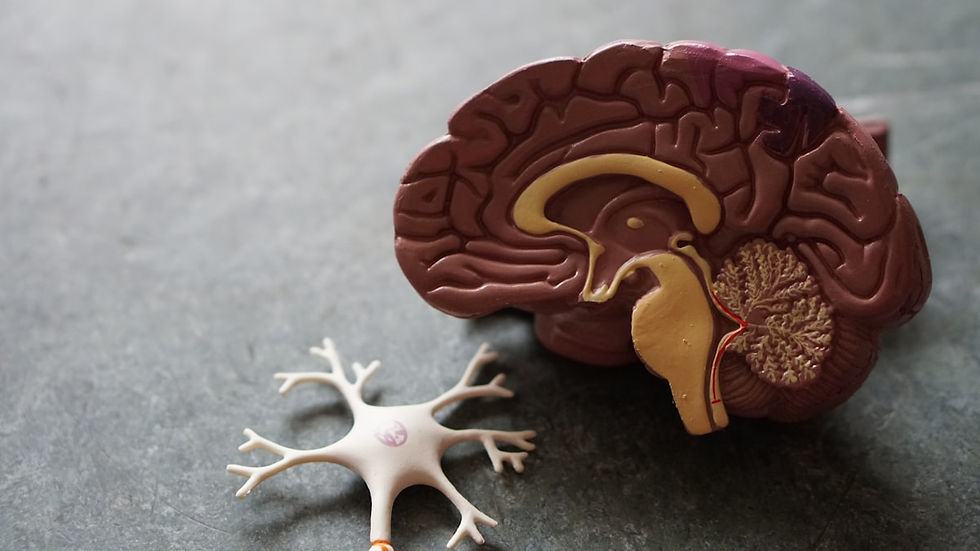
Breathing also has a direct impact on the nervous system. Slow, deep breathing activates the part of the nervous system that helps the body relax and recover, reducing tension and promoting a sense of calm. Conversely, shallow, fast breathing triggers the body’s stress response, making it harder to stay relaxed and focused. This connection highlights the importance of proper breathing for overall health.
Strengthening Lung Function Through Deep Breathing
In TCM, the lungs play a crucial role in protecting the body from external threats like illness. Deep, steady breathing strengthens lung function and boosts the body’s natural defenses. However, prolonged stress, shallow breathing, and negative emotions like grief can weaken the lungs, reducing vitality and overall resilience.
Mindful Breathing: A Simple Practice for Relief
Taking even a small moment for mindful breathing can make a big difference. Even with a busy schedule, pause for a moment. Take a deep breath in, and as you exhale, imagine lowering your shoulders. Allow them to drop naturally, releasing tension, and adopt a more relaxed posture. This simple practice can help release physical tension, promote a state of calm, and even strengthen your immune system.
Techniques for Deep Breathing
Diaphragmatic Breathing
Diaphragmatic breathing, or belly breathing, is a technique that encourages full oxygen exchange. To practice, sit or lie down comfortably. Place one hand on your chest and the other on your belly. Inhale deeply through your nose, allowing your belly to rise while keeping your chest still. Exhale slowly through your mouth. Repeat this for several minutes.
Box Breathing
Box breathing is a technique used to create a sense of calm and focus. Inhale deeply for a count of four, hold your breath for another count of four, exhale for four counts, and then hold your breath again for four counts. Repeat this cycle for several minutes.
4-7-8 Breathing
The 4-7-8 technique is another effective method. Inhale quietly through your nose for a count of four. Hold your breath for a count of seven. Then exhale completely through your mouth for a count of eight. This method can help reduce anxiety and promote better sleep.
The Role of Breath in Emotional Well-Being
Breath is not just about physical health; it also plays a significant role in our emotional well-being. When we are anxious or stressed, our breathing tends to become shallow and rapid. This can create a cycle of increased anxiety. By consciously focusing on our breath, we can break this cycle and promote a sense of calm.
Incorporating Breathing Exercises into Daily Life
It’s essential to incorporate breathing exercises into your daily routine. You can set aside a few minutes each day to practice. Whether it’s in the morning to start your day or in the evening to unwind, these moments can greatly enhance your overall well-being.
Conclusion: Embrace the Power of Your Breath
In conclusion, breathing is a powerful tool for enhancing our health and well-being. By understanding its importance and incorporating mindful breathing practices into our lives, we can achieve a greater sense of balance and harmony. Remember, even small moments of mindful breathing can lead to significant improvements in your physical and emotional health.
By embracing the power of your breath, you take a vital step towards holistic healing and improved well-being.


Comments